Can You Use Present Perfect Tense in Stories?
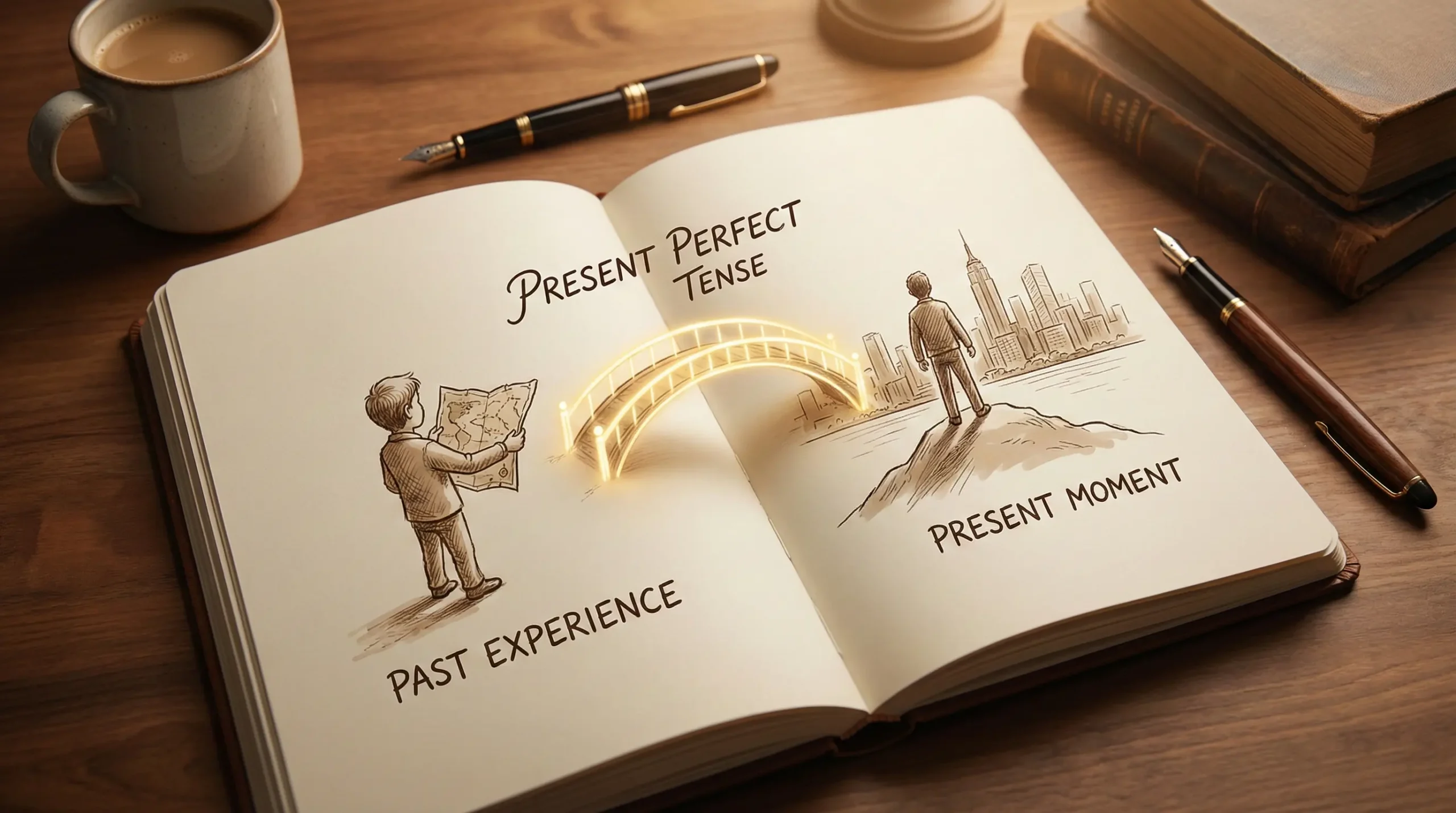
One of the most common questions we get from creative English learners is about grammar in storytelling. You know that most classic stories use the Simple Past tense (“He walked,” “She saw”). But does this mean you are forbidden from using other tenses?
Specifically, can you use Present Perfect Tense in stories?
The short answer is: Yes, absolutely! However, you cannot use it for everything. You need to know exactly when to switch from the past to the perfect.
In this guide, we will explore how to use the Present Perfect Tense in stories to make your writing sound natural and professional.
The Role of Tenses in Storytelling
To understand how to use the Present Perfect Tense in stories, we first need to look at the “Main Narrative Tense.”
Most stories use the Simple Past as their main engine. This moves the action forward.
- Example: “John opened the door and saw the box.”
The Present Perfect (have/has + V3) is not used to move the story forward in time. Instead, it acts like a bridge. It connects a past event to the current moment in the story.
Here are the three best ways to use it.
1. Using Present Perfect in Dialogue
Even if your story is written in the past tense, your characters live in their own “now.” When characters speak to each other, they use natural grammar.
This is the most common place to find the Present Perfect Tense in stories. It adds realism to the conversation.
Compare these two examples:
- Narrative (Past): The detective looked at the crime scene. He was confused.
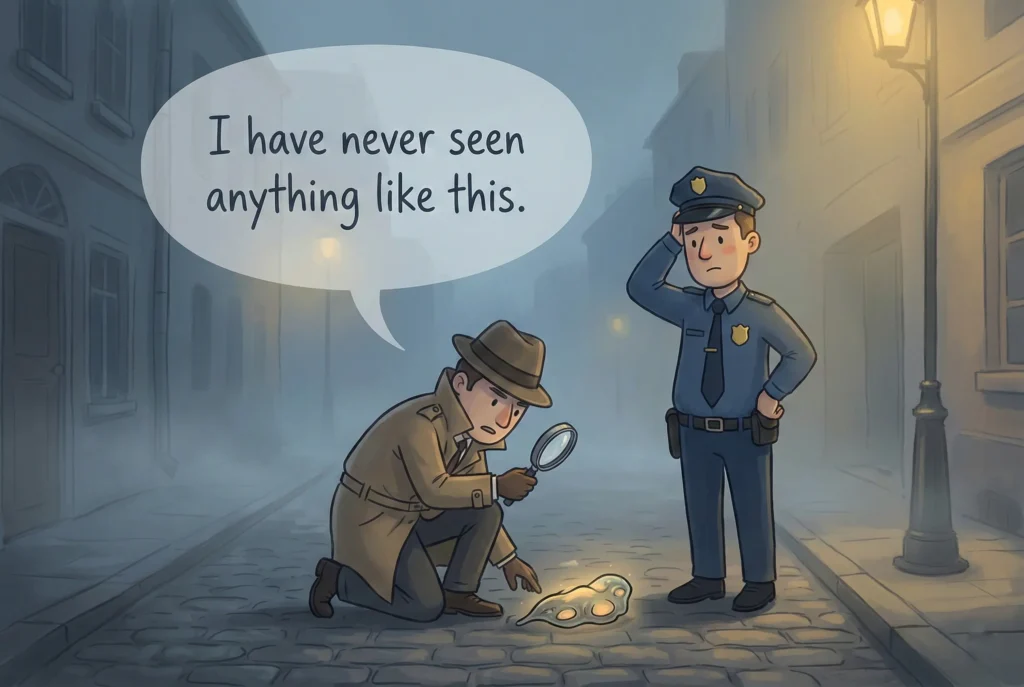
- Dialogue (Present Perfect): “I have never seen a robbery like this before,” he said.
In this example, the detective is linking his past experience (never seeing a robbery) to his present situation (standing at the crime scene).
2. First-Person Narratives and Diaries
If you are writing a story from the perspective of “I” (First Person), or writing a fictional diary entry, the Present Perfect Tense in stories becomes very powerful.
In this style, the narrator is often talking directly to the reader about their life experiences up to now.
- Example: “I have lived in this castle for twenty years. I have seen kings come and go, but I have never felt fear until today.”
Here, the narrator uses Present Perfect to set the scene and explain their background before the main action starts.
3. Stories Written in the Present Tense
Modern writers often use the Simple Present to make the action feel fast and immediate (e.g., “I run down the hall. The door slams shut.”).
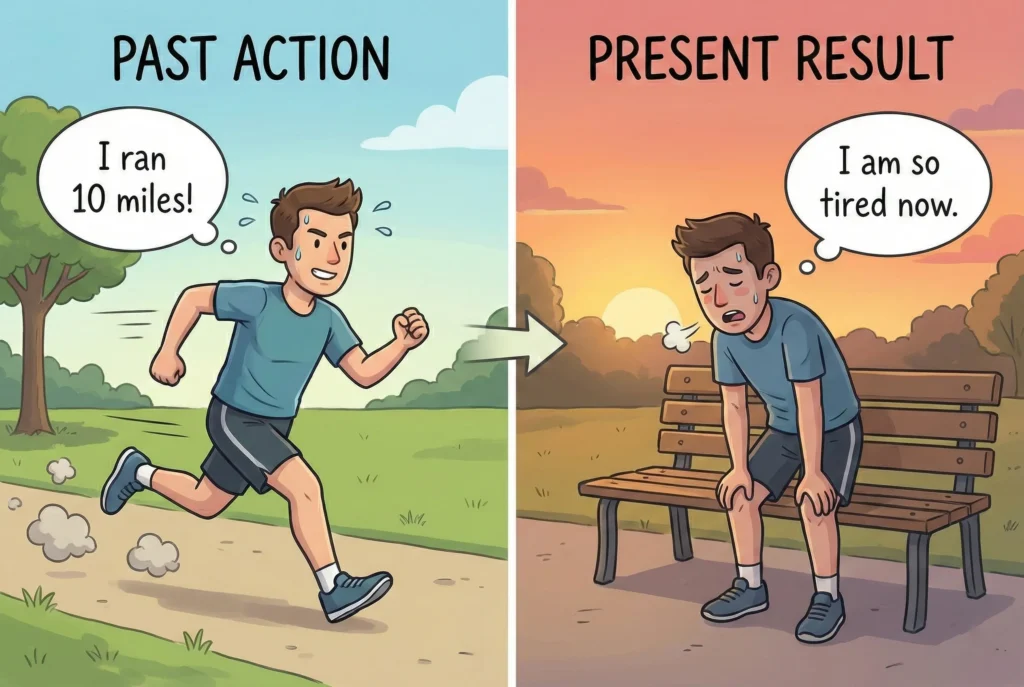
When your main timeline is the Present, you must use the Present Perfect to talk about recent past events that matter right now.
- Example: “I am (Present) exhausted. I have run (Present Perfect) for three miles without stopping.”
Cheat Sheet: Simple Past vs. Present Perfect
When writing your story, keep this simple chart in mind to avoid confusion.
| Tense | Focus | When to use in a story |
| Simple Past | When did it happen? | For the main actions. (He went, she said, they fought). |
| Present Perfect | What is the result? | For dialogue and background experiences. (I have finished, we have decided). |
Summary About Present Perfect Tense in Stories
Using the Present Perfect Tense in stories is a great way to show a character’s experience or current feelings.
- Don’t use it for the main action (e.g., “He has walked to the store” sounds wrong for a story).
- Do use it in dialogue (e.g., “Where have you been?”).
- Do use it to explain background context.
Mastering this tense will make your creative writing—and your daily English conversation—much more fluid.
Ready to practice? Try writing a short paragraph about a character who has lost their keys using the Present Perfect!



0 Comments