TV Shows List

Presenting a selection of TV shows featuring Vocabulary Practice! Simply click on any episode that catches your interest to start browsing. The numbers beside each show indicate the total count of shared episodes available for you to explore. Happy learning!
Number of Episodes
Black Mirror
13
In Black Mirror, an anthology series exploring a twisted, high-tech multiverse where humanity’s greatest innovations and darkest instincts collide.
Bridgerton
8 The closely bonded Bridgerton siblings, a group of eight, embark on a quest for love and joy within the refined circles of London’s high society.
FUBAR
8 A C.I.A. operative on the edge of retirement discovers a family secret and is called back into the field for one last job.
Sherlock (TV Series)
2
In this modern adaptation of Conan Doyle’s classic detective, Sherlock Holmes is depicted as a “high-functioning sociopath” navigating the complexities of contemporary London. Alongside him is John Watson, a veteran of the Afghanistan War, who becomes Holmes’ ally in solving crimes after being introduced to him through a mutual friend.
Succession
20 The Roy family is known for controlling the biggest media and entertainment company in the world. However, their world changes when their father steps down from the company.
Suits
12 On the run from a drug deal gone bad, brilliant college dropout Mike Ross finds himself working with Harvey Specter, one of New York City’s best lawyers.
The Big Bang Theory
18 A woman who moves into an apartment across the hall from two brilliant but socially awkward physicists shows them how little they know about life outside of the laboratory.
The Night Agent
10 Low-level FBI agent Peter Sutherland works in the basement of the White House manning a phone that never rings – until the night it does, propelling him into a conspiracy that leads all the way to the Oval Office.
The Office
6 A mockumentary on a group of typical office workers, where the workday consists of ego clashes, inappropriate behavior, and tedium.
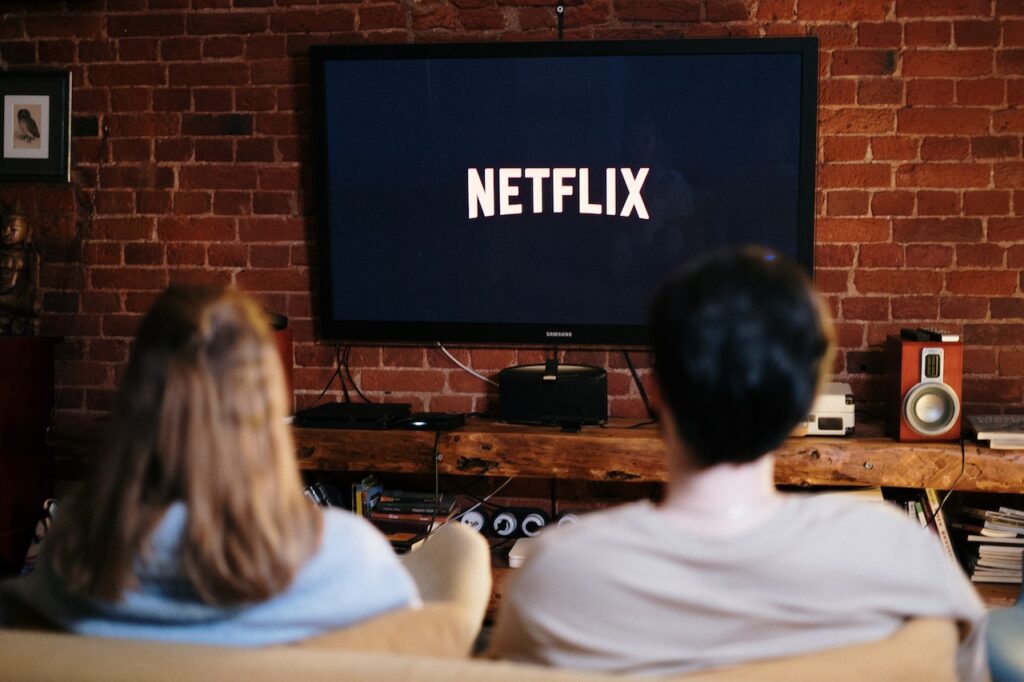
Why to watch TV Shows: Because is fun!
In today’s globalized world, English has undoubtedly become the lingua franca, connecting people from diverse cultures and backgrounds. Whether it’s for business, education, or personal growth, proficiency in English opens doors to endless opportunities. While traditional language learning methods such as textbooks and courses play a vital role, there’s an often overlooked yet powerful tool to enhance language skills: watching TV shows. Engaging with them in English is not just a form of entertainment; it’s a fantastic way to improve language fluency, comprehension, and cultural understanding. In this blog post, we’ll explore the importance of watching them for learning English and uncover the numerous benefits it offers.
At the top of the page, you can browse TV shows in the vocaburger or prepare for watching by filtering pre-watching materials
1. Immersion in Real-Life Conversations

One of the most significant advantages of watching TV shows to learn English is the exposure to authentic conversations. While language textbooks teach grammar rules and vocabulary, they often fail to capture the nuances and colloquialisms of daily speech. TV shows present characters engaging in natural dialogues, reflecting how people genuinely communicate in different situations. As learners immerse themselves in these conversations, they become more attuned to native speech patterns, pronunciation, and slang, improving their overall language comprehension.
2. Expanding Vocabulary and Idiomatic Expressions through TV shows
TV shows provide an extensive range of vocabulary in various contexts. Unlike textbooks, which might use generic sentences, they present words and phrases used in real-life scenarios. Additionally, idiomatic expressions are prevalent in TV scripts, adding richness to the language. When viewers encounter these expressions in context, they are more likely to understand and remember them, enabling a more natural integration of these phrases into their own speech.
3. Developing Listening Skills
Listening comprehension is a crucial aspect of language learning, and TV shows offer a plethora of listening opportunities. As learners follow the storyline, they must process spoken language quickly, helping them attune their ears to different accents and speech speeds. Regular exposure to English audio in the shows enhances the ability to catch subtle nuances and increases overall listening comprehension.
4. Cultural Awareness and Context through TV shows
Language and culture are intrinsically linked, and TV shows are a treasure trove of cultural references and social norms. By watching them, learners gain valuable insights into the culture, customs, and traditions of English-speaking countries. Understanding cultural context not only facilitates better comprehension of the content but also prevents misunderstandings in real-life interactions with native speakers.
5. Enhanced Motivation and Enjoyment
Learning a new language can sometimes feel like an arduous task, but TV shows can inject fun and excitement into the process. When learners watch engaging and captivating TV series, they are more likely to stay motivated and committed to their language learning journey. The enjoyment factor of watching TV shows helps reduce anxiety associated with language learning, making the process feel less like work and more like a leisure activity.
Conclusion
In conclusion, watching TV shows is a highly effective and enjoyable method to improve English language skills. Through immersion in authentic conversations, learners develop a better understanding of how English is used in real-life settings. The exposure to diverse vocabulary, idiomatic expressions, and various accents helps learners communicate more naturally. Additionally, they provide a window into the culture and context of English-speaking countries, fostering cultural awareness. With a blend of entertainment and education, TV shows offer a unique approach to language learning, making it a valuable tool in any English learner’s arsenal. So, the next time you grab the remote, remember that you’re not just tuning in for entertainment, but also embarking on a language learning adventure! Happy watching!